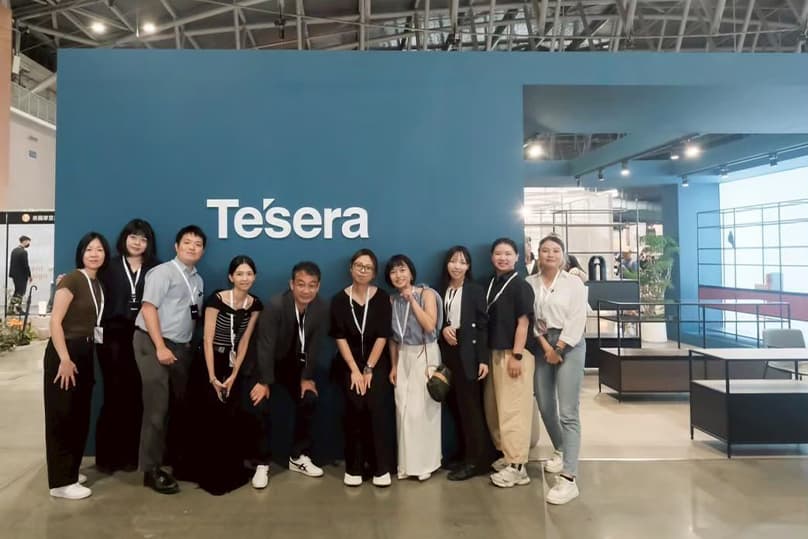
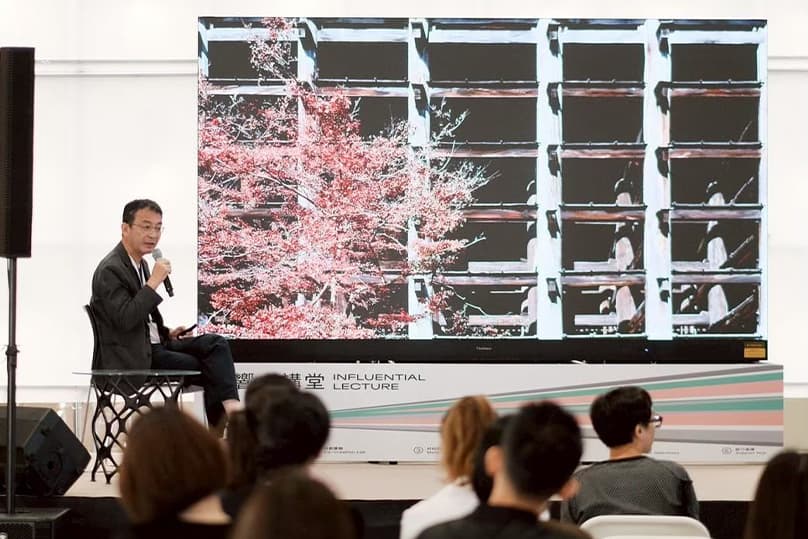
The "Good Feeling Space Exhibition" organizes the materials used to create spaces into six themes and triggers encounters between professionals from various fields through influential lectures. The so-called "good feeling" is not only the experience that space gives people, but also the process of interaction between life and objects. The exhibition is presented in a way that can be understood by the public. In the wave of promoting the aesthetics of trade shows, the Good Feeling Space is not only a materials exhibition, but also a design exchange platform for realizing innovation and life inspiration.
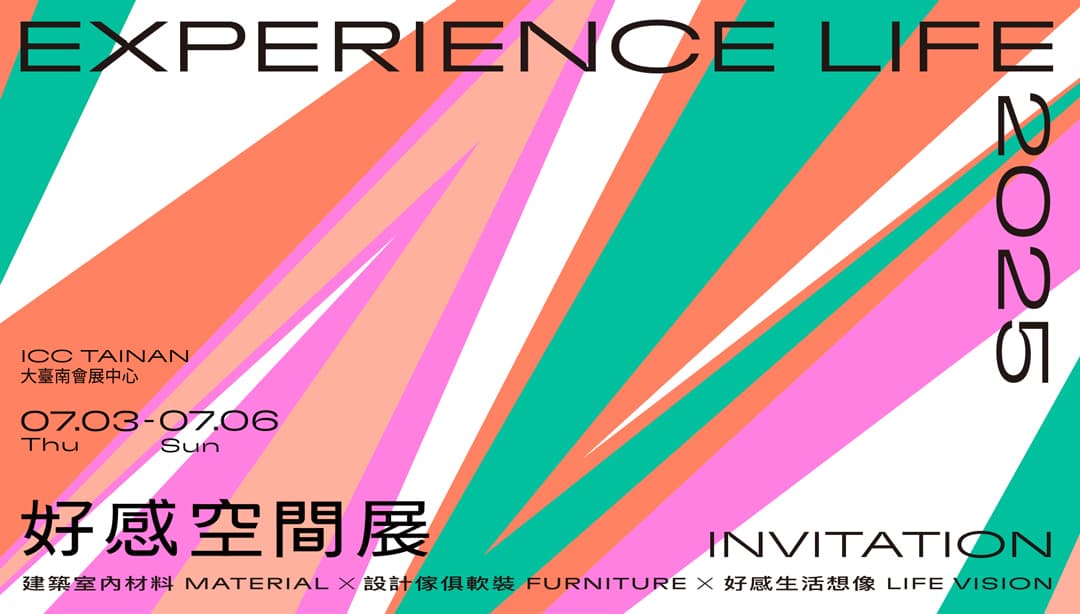
Dates: July 3-6, 2025
Location: Greater Tainan Convention and Exhibition Center
2025 Tainan Goodwill Space Exhibition | Post-Exhibition Observations
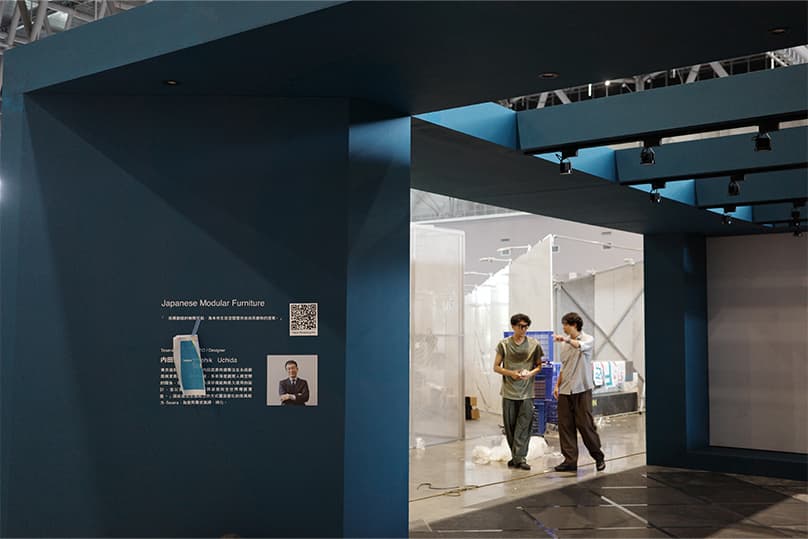
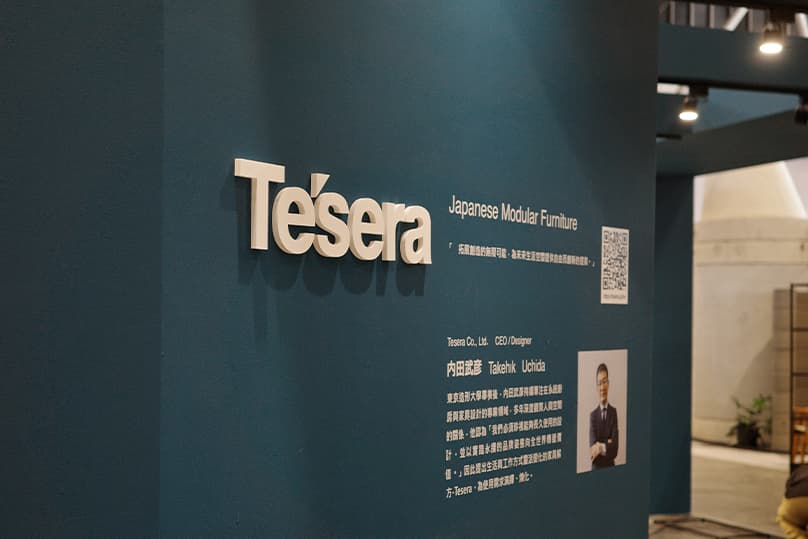
With modular structure at its core, Tesera transforms "flexibility, sustainability, and minimalism" into a furniture language that can evolve with life—allowing furniture not just to be placed, but to be freely reconfigured with time and needs, responding to different lifestyles.
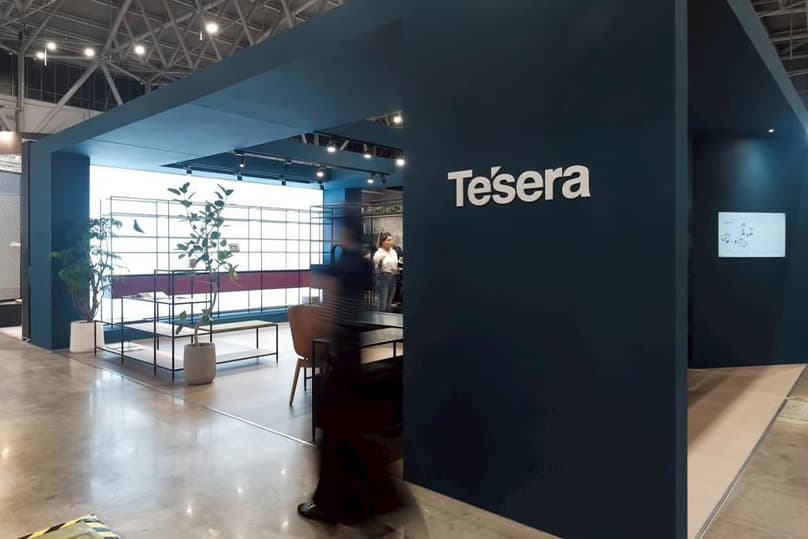
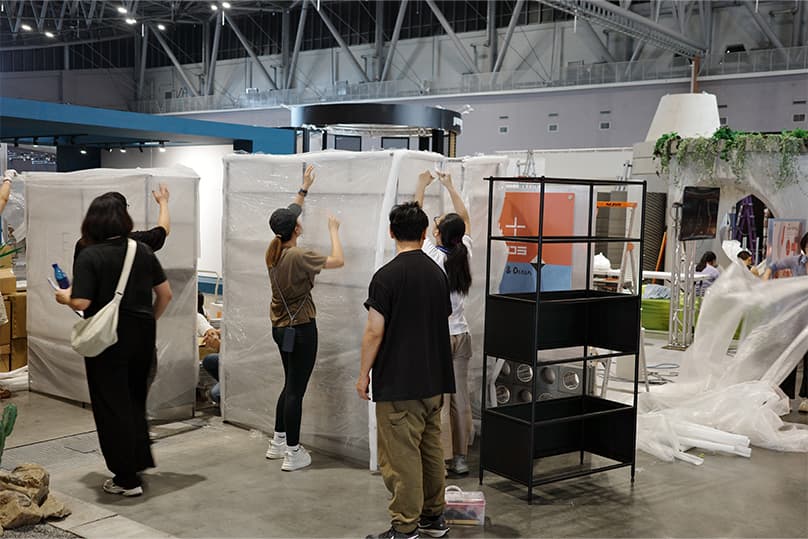
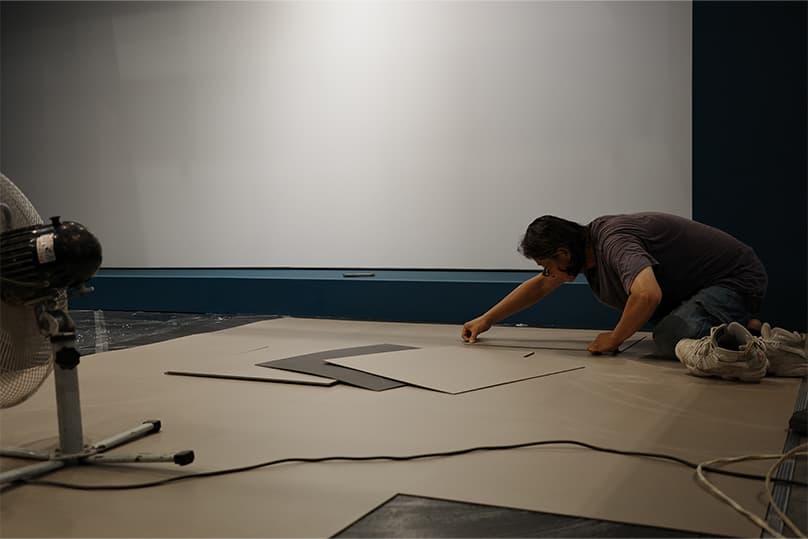
At this year's Tainan Good Living Exhibition, Tesera showcased the diverse applications of its systematic furniture. From initial transport and on-site assembly, each module can be rethought and repositioned within the space, offering a proposal for the future of home living.
Whether it's for daily storage, work scenarios, or changes in lifestyle, you can find a configuration method that suits you.
During the exhibition, many visitors lingered and discussed the modular furniture, showing great interest in its flexibility and scalability. The ability to be adjusted to meet specific needs, particularly in storage integration and space partitioning, was the most directly felt value aspect.
This exhibition also made it clearer to us that the market demand for "adjustable and sustainable" furniture is gradually taking shape. Tesera offers not just a single product, but a system that can continuously grow and evolve with changing lifestyles.
This is not just an exhibition, but also a question about future lifestyles—when spaces are no longer fixed, can furniture also change accordingly?